Some evenings ask for more than a cup of something warm and a few quiet minutes on the sofa. They ask for a pause that feels devotional, steadying and honest. These cacao ceremony instructions are for that kind of moment - a home practice that supports emotional grounding as much as spiritual connection.
A cacao ceremony does not need to be elaborate to be meaningful. In fact, the most nourishing rituals are often the ones that feel simple enough to return to. When approached with care, ceremonial cacao can become a gentle way to soften mental noise, listen inwardly and create a little more space around what you are carrying.
What cacao ceremony instructions are really for
At its heart, a cacao ceremony is a ritual of presence. The cacao itself matters, but the deeper purpose is the relationship you build with the moment. You are not taking a quick wellness supplement or trying to force a breakthrough. You are creating conditions that support reflection, embodiment and emotional safety.
That is why good cacao ceremony instructions begin before the first sip. They begin with pacing, intention and the quality of attention you bring. Some people use cacao to support meditation, journalling or breathwork. Others pair it with music, sound healing or prayer. There is no single correct form, but there is a difference between a conscious ritual and simply drinking cacao while scrolling through your mobile phone.
If you are new to the practice, let simplicity be part of the ceremony. A calm room, a mug of prepared cacao, a clear intention and twenty to forty minutes of uninterrupted time is enough.
Preparing for a cacao ceremony at home
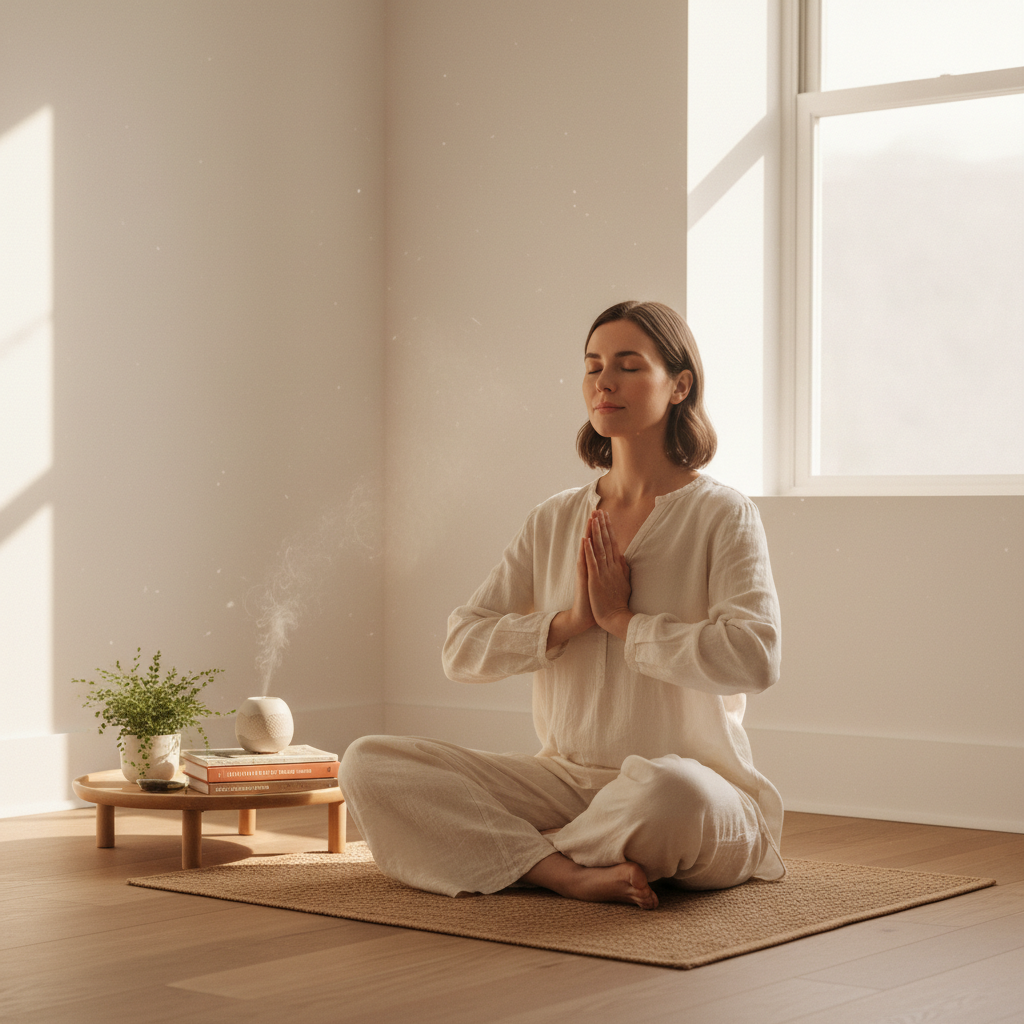
Begin by choosing a space that feels settled. This might be a quiet corner of your bedroom, a place by the window, or a small altar area if you already work with ritual in that way. You do not need perfect aesthetics. You need enough privacy to exhale fully.
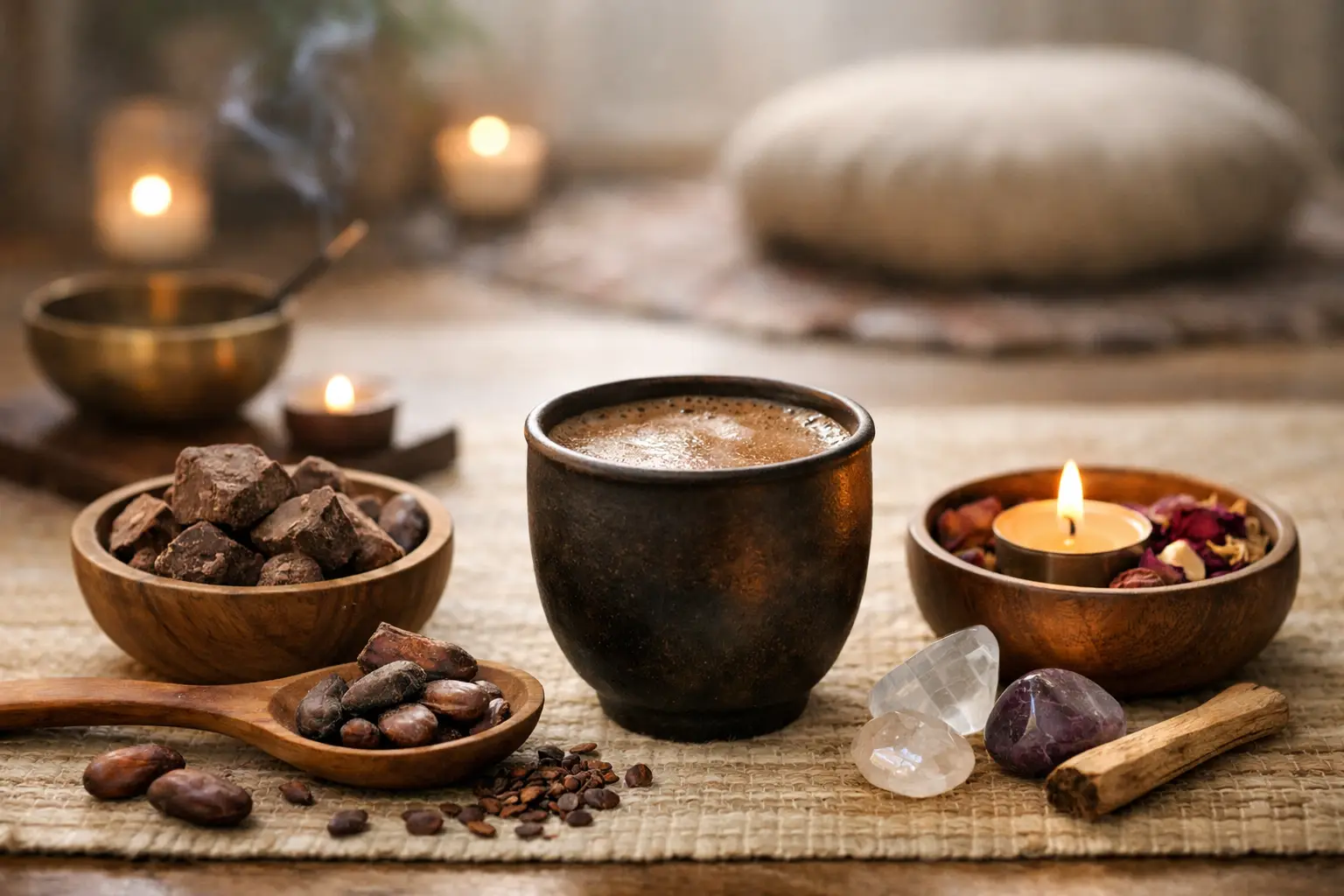
It helps to reduce sensory clutter. Dim the lights, place your mobile phone on silent and gather anything that supports presence - perhaps a blanket, a journal, a candle or a cushion. If music helps you drop in, choose something spacious and unobtrusive. If silence feels more honest, trust that.
Think too about your internal environment. Ceremonial work tends to meet you where you are, not where you wish you were. If you feel tender, tired, resistant or emotionally full, that does not mean you should avoid the ritual. It simply means your approach may need to be softer. A home ceremony is not the place to push through overwhelm. It is a place to meet yourself with steadiness.
Choosing and preparing the cacao
Use ceremonial-grade cacao if possible, as it is typically less processed and prepared with ritual use in mind. The flavour is richer and more bitter than standard drinking chocolate, with a depth that can feel grounding in itself. Do check the guidance provided by the cacao supplier, as strength and serving size can vary.
A gentle serving for home practice is often enough, especially if you are new. Many people begin with around 20 to 30 grams and notice how they feel before moving towards a fuller ceremonial amount on another occasion. More is not always better. A stronger dose may feel expansive for one person and overstimulating for another, particularly if they are sensitive to caffeine-like effects or already feeling dysregulated.
Warm the cacao slowly with water, or with water and a little plant milk if that feels kinder on your stomach. Avoid boiling it, as a gentler heat preserves both flavour and ritual feeling. You may add a little cinnamon, chilli, vanilla or a touch of sweetness, but keep the preparation intentional rather than turning it into dessert. The aim is to honour the cacao, not mask it.
As you stir, treat the process as part of the ceremony. This small act of attention matters. You might breathe slowly, place a hand on your heart, or silently name what you are inviting in - clarity, rest, courage, grief release, compassion.
Cacao ceremony instructions step by step
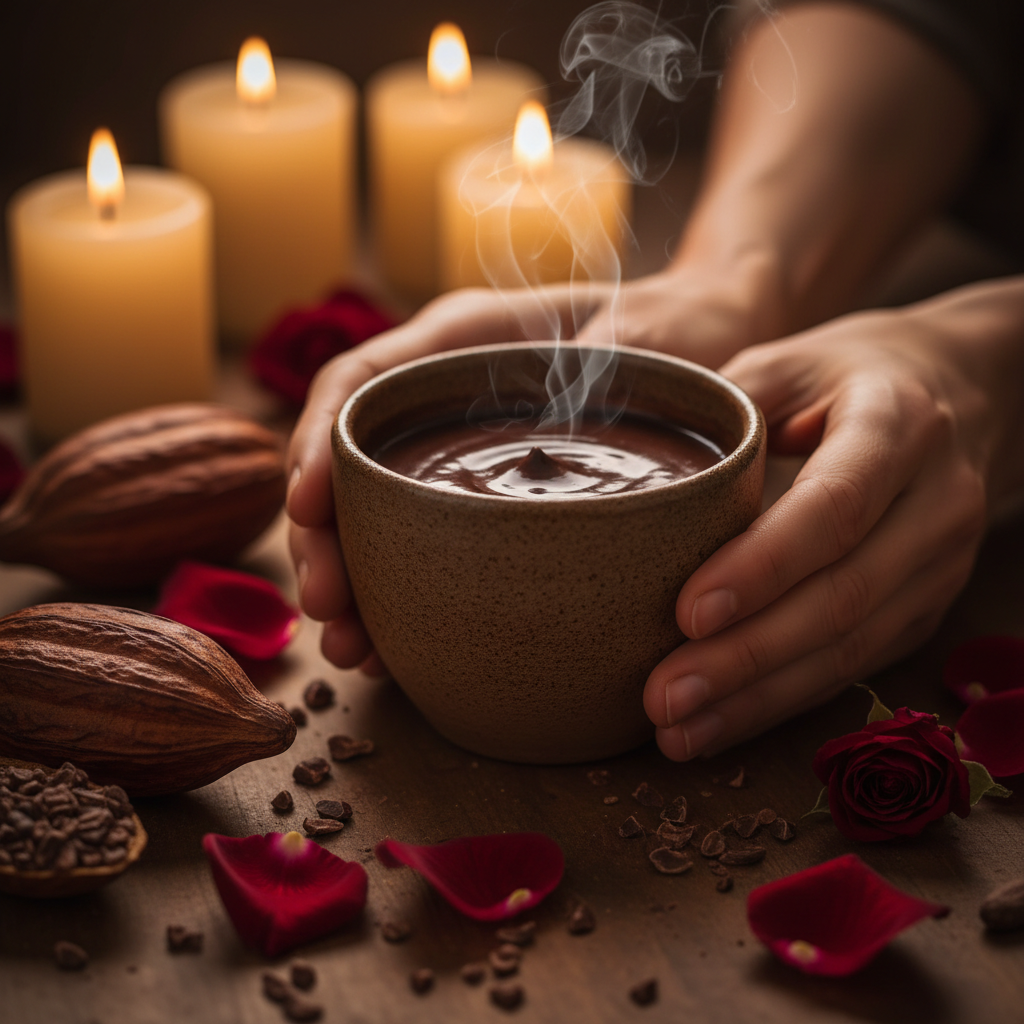
Once your cacao is ready, sit comfortably and place the cup in your hands. Before drinking, pause. Notice the warmth, the aroma, the weight of the mug. Let your body register that you are no longer rushing.
Set an intention that feels spacious rather than demanding. A useful intention is not, I must fix myself tonight. It is more like, may I meet myself truthfully, or, may I soften enough to hear what needs care. Gentle language tends to create more safety than rigid goals.
Take your first sip slowly. There is no need to drink it all at once. Let the act be deliberate. Between sips, breathe into your belly and notice what begins to shift. You may feel warmth in the chest, a subtle uplift in mood, emotional tenderness, or simply a greater sense of being here. You may also feel nothing dramatic at all. Ceremony is not measured by intensity.
After drinking, give yourself a period of stillness. Ten to fifteen minutes of quiet sitting can be enough to let the ritual settle. If meditation feels natural, stay with the breath. If your mind is busy, place one hand on the heart and one on the lower belly and feel the rise and fall beneath your palms.
From there, follow one supportive practice. Journalling works well if you want language for what is moving. You could write from prompts such as: what am I holding right now, what am I ready to hear, what feels true beneath the noise. Gentle movement can also be powerful, especially if you process emotion through the body. Swaying, stretching or lying down with sound may feel more supportive than sitting upright.
For some, cacao opens a relational or spiritual doorway. Prayer, oracle work, gratitude practice or quiet communion with nature may belong here. For others, the ceremony is most healing when it remains psychologically grounded and simple. It depends on what helps you feel safe, sincere and connected rather than performative.
What to expect during the ritual
Cacao is often described as heart-opening, but that phrase can be misunderstood. It does not guarantee bliss or emotional release on demand. Sometimes heart-opening feels like warmth, gratitude and ease. Sometimes it feels like tears you have postponed, or a clearer awareness of what is not working in your life.
That is why pacing matters. If strong emotion arises, stay close to the body. Lengthen the exhale. Feel your feet on the floor. Wrap yourself in a blanket if you need containment. Intensity is not a sign that you must keep going deeper. Sometimes the wisest ceremonial choice is to pause, sip water and simply breathe.
If you live with anxiety, trauma history, heart concerns, are pregnant, or take medication that may interact with cacao, it is sensible to seek appropriate medical guidance first. Sacred practice and practical care belong together.
Aftercare is part of the ceremony
The closing matters as much as the opening. When you sense the ritual is complete, thank the cacao, your body and whatever inner wisdom met you there. This can be silent and private. Ceremony does not need theatre to be real.
Avoid rushing straight into emails, chores or social media if you can help it. Even ten quiet minutes afterwards can protect the tenderness of what has opened. Drink water. Eat something light if needed. If insights surfaced, write them down before daily life smooths them over.
You may also notice that the most meaningful part of the ceremony arrives later. A conversation lands differently. A truth becomes harder to ignore. You feel more compassionate towards yourself than you did that morning. Ritual often continues to work softly after the cup is empty.
Making the practice your own
The most supportive cacao ceremony instructions are the ones that leave room for relationship. Over time, you may find that morning ceremonies bring clarity, while evening ones help you unwind. You may prefer silence to music, journalling to meditation, or guided ritual to solitary practice. A digital sanctuary such as Luminous Resonance can offer structure when you want to feel held, but personal rhythm matters too.
Try not to measure your practice by how profound it looks from the outside. A ceremonial life is rarely built through grand moments alone. More often, it is shaped by the quiet choice to return to yourself with honesty, warmth and care.
If you begin there, the ceremony has already started.