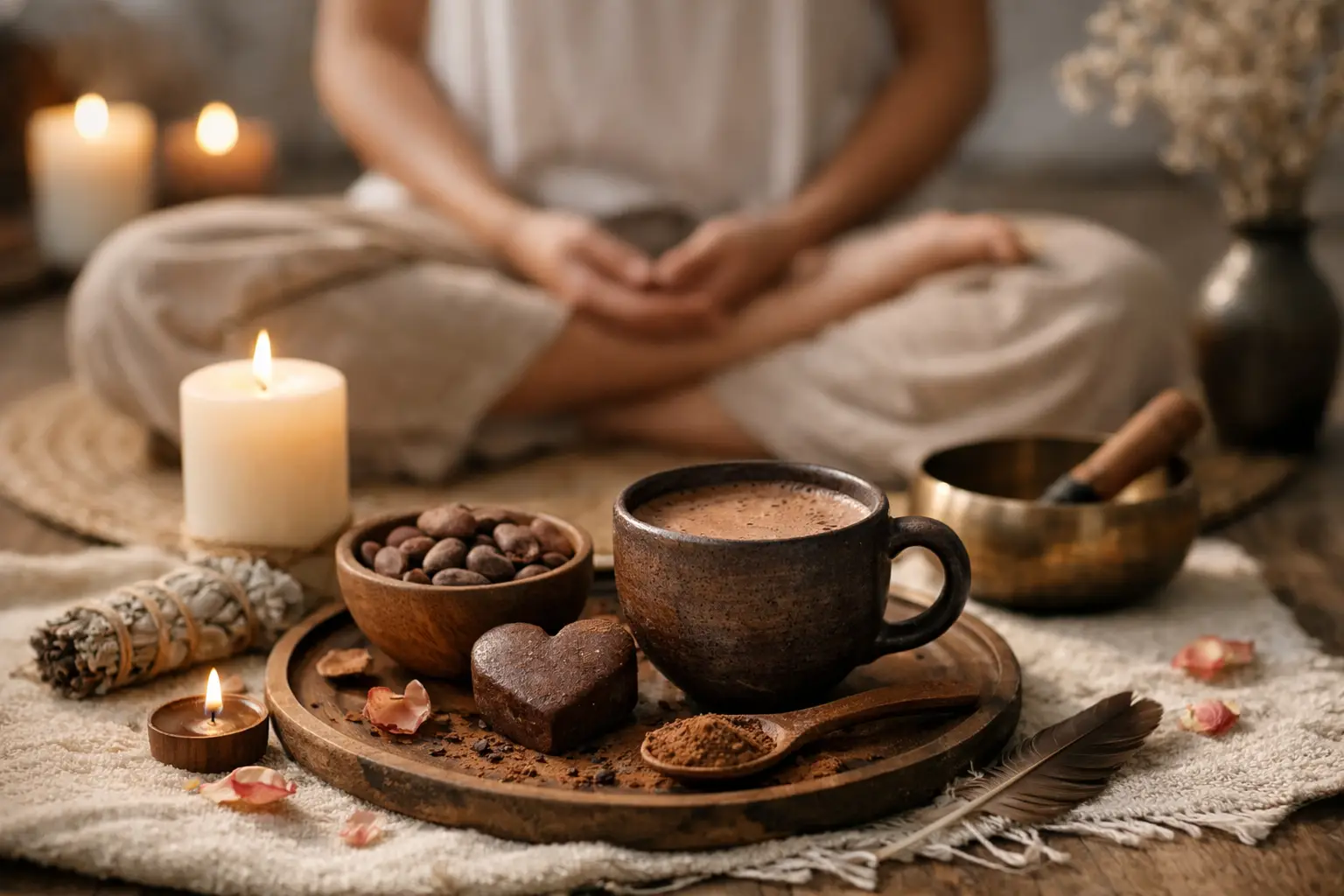
A cacao ceremony is not a performance, nor a test of how deeply you can feel. It is a held pause: time set aside to meet yourself with warmth, attention and curiosity. If you are wondering how to join cacao ceremony spaces for the first time, begin there. You do not need previous spiritual experience, the right language or a perfectly quiet mind. You only need willingness to arrive as you are.
For many people, an online ceremony offers a gentle entry point. From your own home, you can step into ritual without the pressure of an unfamiliar room, then remain in the comfort of your own space as the experience settles.
What joining a cacao ceremony can feel like
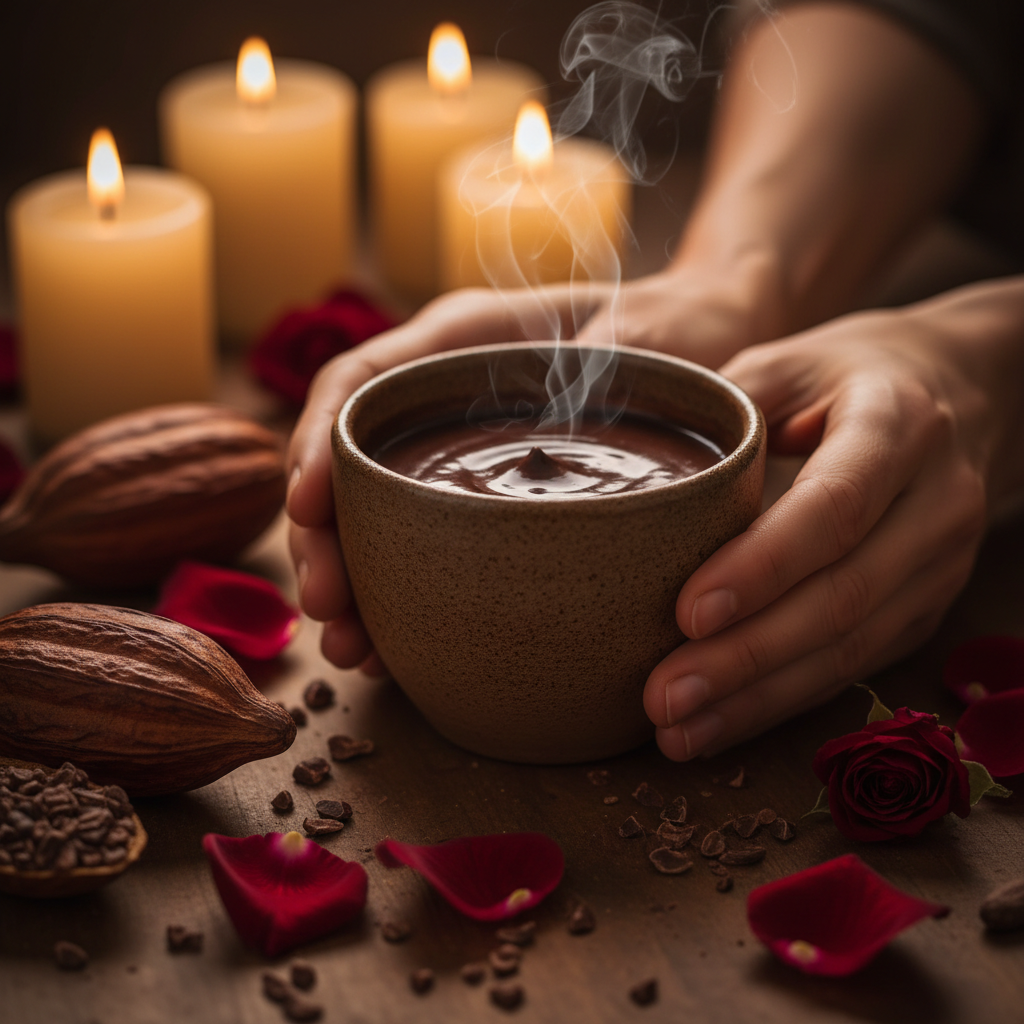
Ceremonial cacao is pure, minimally processed cacao prepared as a warm drink. It has a rich, earthy flavour and contains naturally occurring compounds including theobromine, which may create a subtle sense of energy, warmth or openness. It is not a psychedelic substance, and experiences vary greatly. Some people feel emotionally moved; others simply feel calm, present and well rested.
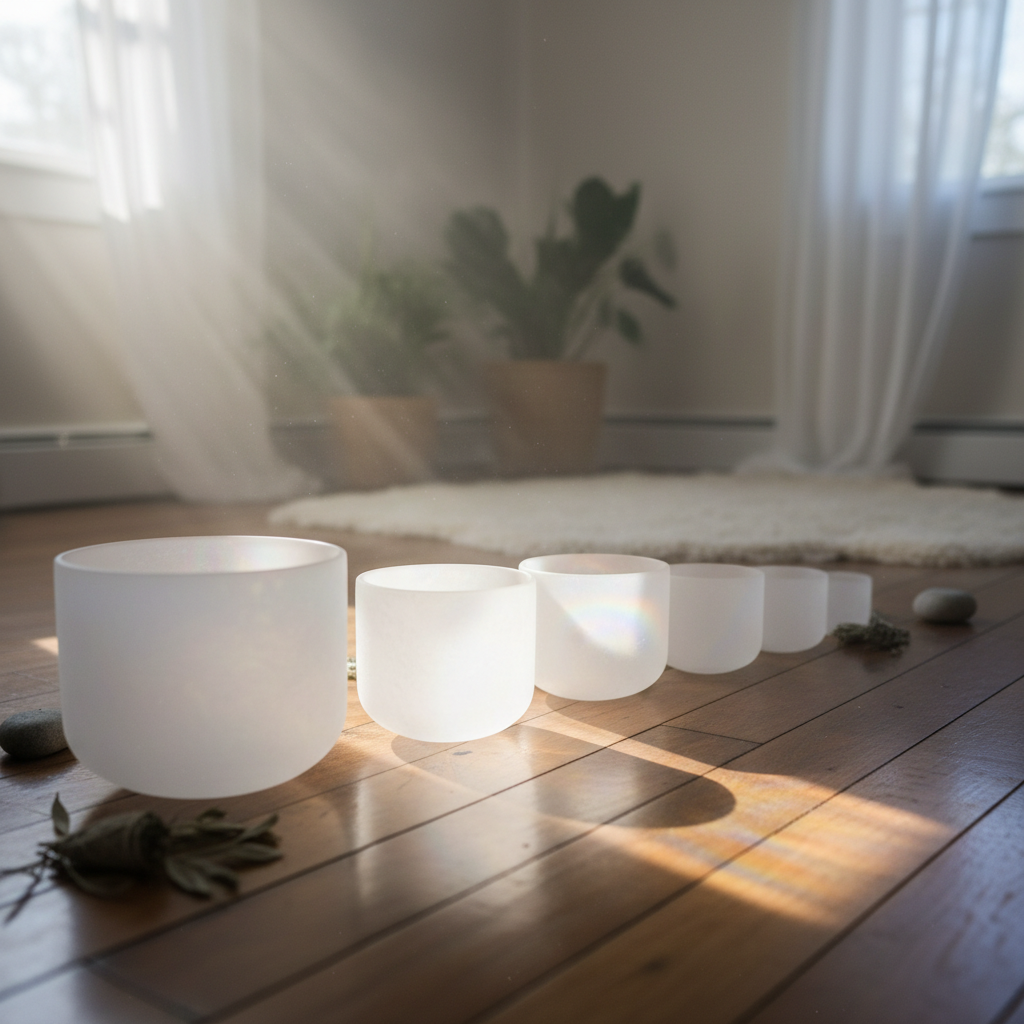
The ceremony itself gives the drink its wider meaning. A facilitator may invite breathwork, meditation, journalling, intention-setting or a therapeutic sound bath. These elements create a container for reflection, helping you turn towards what needs care without needing to force an outcome.
It is worth releasing the expectation of a breakthrough. A meaningful ceremony can be as quiet as noticing your breath, grieving softly, or allowing yourself one hour without needing to be useful to anyone.
How to join a cacao ceremony online
Choose a guided experience whose pace and approach feel emotionally safe to you. Look for clear information about the facilitator, what the session includes, how long it lasts and whether participation is suitable for beginners. The most supportive spaces make room for both spiritual expansion and psychological grounding. They do not make promises about healing, nor do they pressure you to share more than you wish.
Once you have booked, read the joining guidance in full. You may be asked to prepare ceremonial cacao beforehand, join through a private event space and have a journal, water and headphones nearby. Give yourself a little time before the session begins. Rushing in from a meeting, a school run or a crowded train can make it harder for your nervous system to land.
At Luminous Resonance, the purpose of the digital sanctuary is not to recreate a retreat through a screen. It is to offer a deliberate, well-held practice that can meet you where you are.
Prepare your space with simplicity
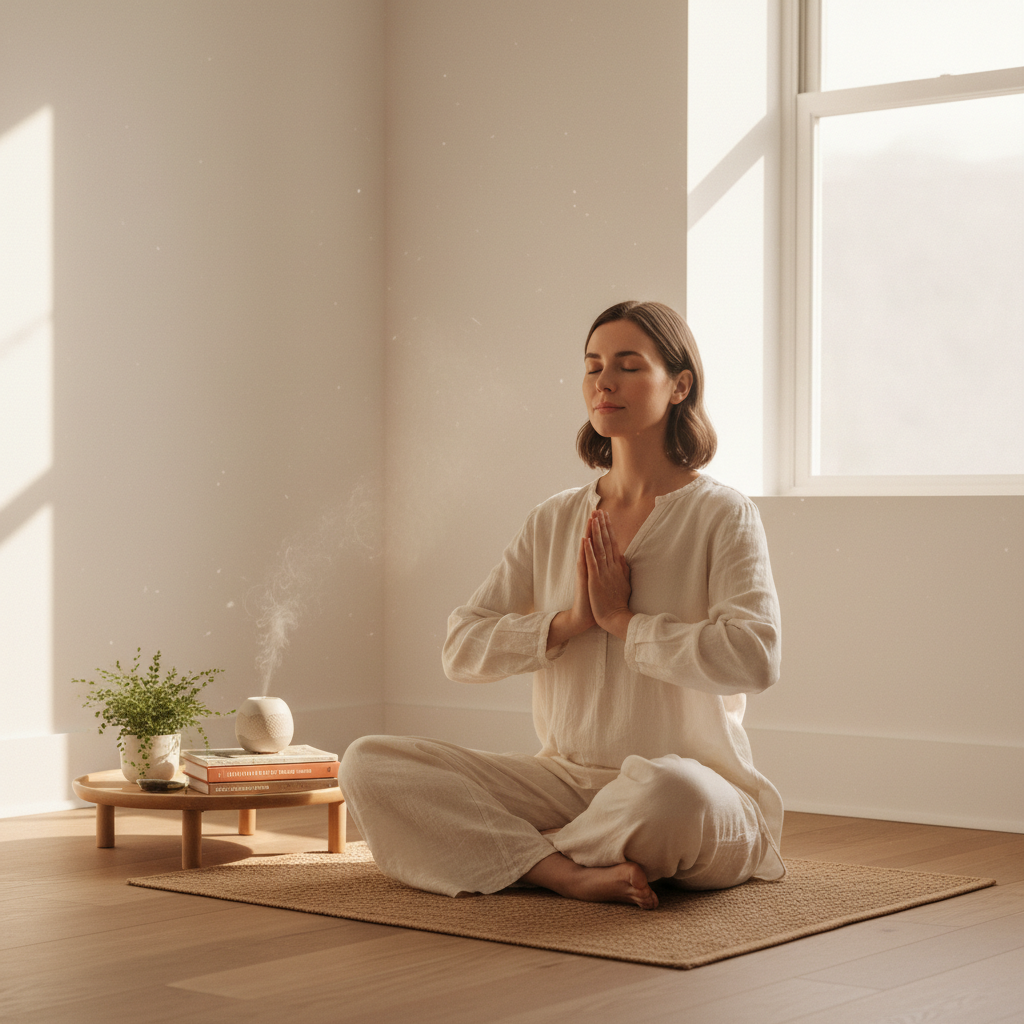
Your setting does not need to look ceremonial to be sacred. A clear corner of your bedroom, living room or kitchen table is enough. Choose somewhere you can sit or lie down comfortably, with a blanket close by and notifications switched off.
If possible, let the people you live with know that you are unavailable for the duration. Dim lighting, a candle or a small object that carries personal meaning can help signal a transition from the demands of the day. These are invitations, not rules. The point is to make your space feel safe enough for honesty.
Have water within reach. Sound can feel more immersive through headphones, particularly if the ceremony includes bowls, gongs or other therapeutic instruments. Yet if headphones make you feel closed in, use a speaker at a gentle volume. Comfort is more valuable than getting the atmosphere exactly right.
Make your cacao with care
Follow the preparation guidance supplied for your session. Cacao is commonly blended with warm water or plant milk until smooth, and some people add cinnamon, cardamom, chilli or a small amount of natural sweetness. Keep it simple if this is your first time, so you can notice how your body responds.
You do not have to drink a full ceremonial serving. Starting with less is a wise choice if you are sensitive to caffeine-like stimulants, are new to cacao, or are joining an evening session and want to protect your sleep. Cacao is often more gentle than coffee for many people, but it is still physiologically active.
Before you take the first sip, pause. You might place a hand on your chest or abdomen and ask, quietly: what would feel supportive today? Your intention can be a single word such as rest, clarity, courage or softness. It can also be no more complicated than, “I am here.”
Bring consent and self-trust to the practice
A well-facilitated ceremony will offer invitations rather than demands. You may be encouraged to close your eyes, move your body, hum, write or rest. Each invitation remains yours to accept, adapt or decline.
This matters especially when emotions arise. Cacao and sound can help create conditions in which feelings become more noticeable, but you do not need to analyse or resolve everything in one sitting. If you feel overwhelmed, open your eyes, look around the room, press your feet into the floor and return to a slower breath. Step away for water if needed. Your capacity is the measure, not the intensity of the experience.
You may choose to keep your camera off if the event permits it. You may remain silent during sharing. You may leave early if you need to. Spiritual practice is most nourishing when it strengthens your relationship with your own boundaries.
A few important wellbeing considerations
Although cacao is a familiar food, ceremonial quantities may not suit everyone. Speak with a qualified healthcare professional before taking cacao if you are pregnant or breastfeeding, have a heart condition or blood pressure concerns, are sensitive to stimulants, or take prescribed medication that could interact with it. This is particularly relevant for certain antidepressants and other medicines that affect mood, blood pressure or heart rhythm.
If you have a history of severe mental health difficulties, intense dissociation or recent trauma, consider whether a live group ritual is the right level of support at this moment. A ceremony can complement therapeutic care, but it is not a replacement for medical or mental health treatment. Choosing a smaller serving, attending without cacao, or seeking one-to-one professional support can all be valid and caring decisions.
Avoid treating discomfort as a sign that you should push harder. Nausea, anxiety, a racing heart or headache are reasons to stop drinking cacao, rest and seek medical advice if symptoms are severe or persist. The practice should meet your wellbeing, not ask you to override it.
Let the ceremony continue gently
The final moments of a ceremony are often quieter than the beginning. Rather than moving immediately into messages, chores or social media, give yourself ten minutes of unstructured space. Drink water, write a few lines, take a warm shower or sit beneath a blanket while the sound and sensation settle.
You may find it helpful to record what was present rather than what it meant. For example: “My shoulders softened”, “I felt lonely”, “I remembered something I want to say”, or “Nothing dramatic happened, but I slept deeply.” Insight sometimes arrives later, in an ordinary moment the following day.
There is no ideal frequency for joining. Some people find a monthly ceremony creates a nourishing rhythm; others attend when life feels especially full or when they need a gentle return to themselves. Let consistency grow from care, not obligation.
Come with an open heart, but keep both feet on the ground. The most lasting part of a cacao ceremony is often not the cup, the music or the ritual itself. It is the small act of remembering that you can make space for your inner life, exactly where you are.