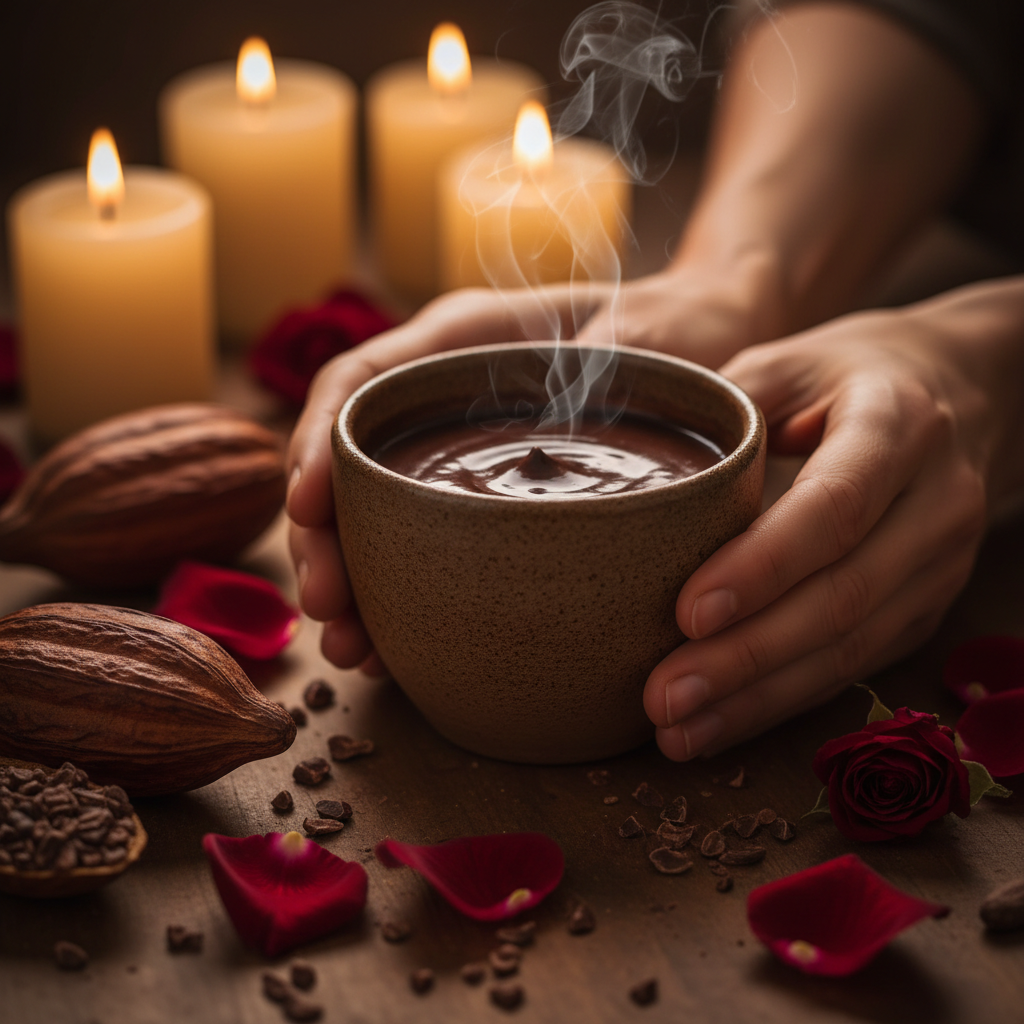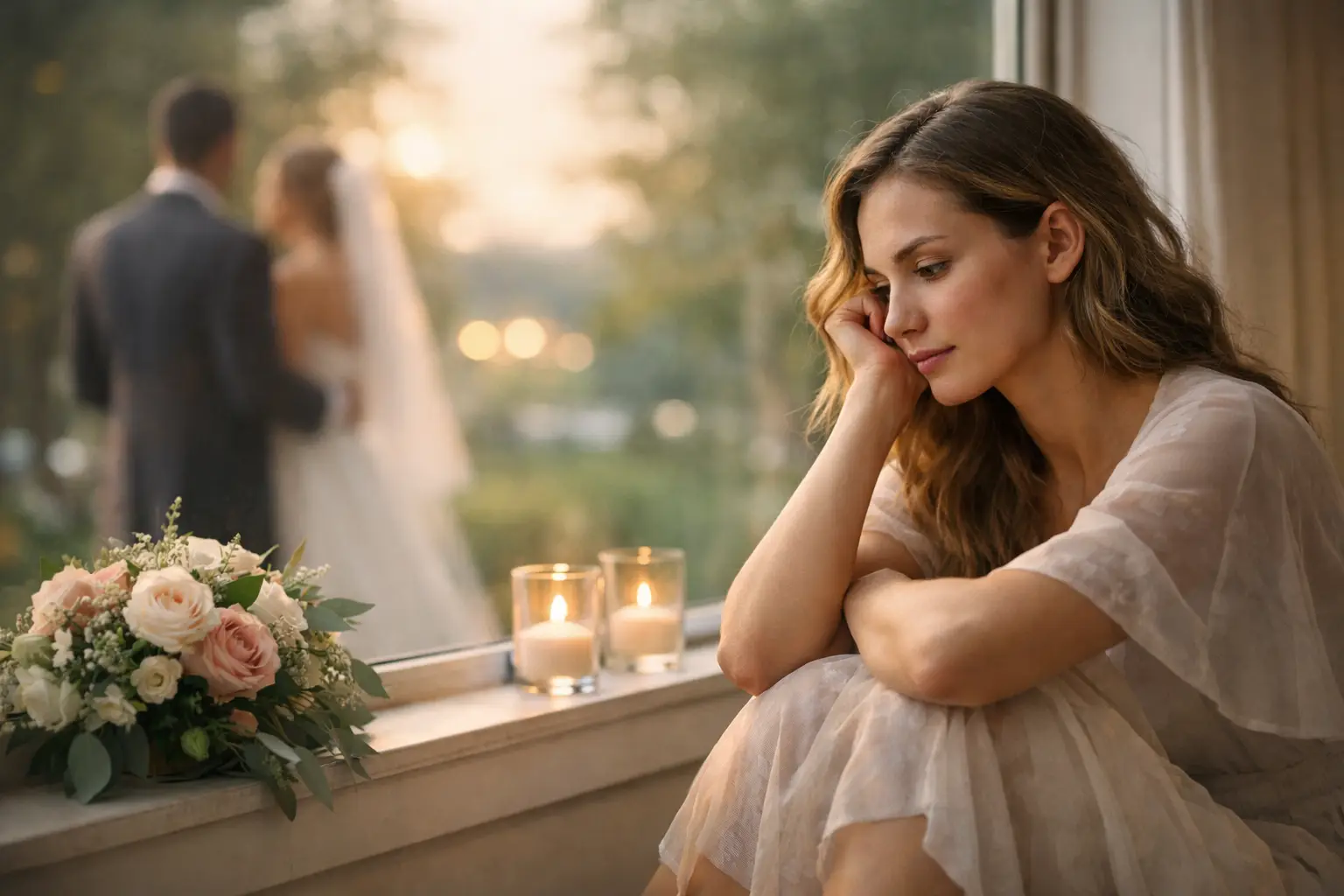
A ceremony may close with a final breath, a softened room, or the fading resonance of a bowl. Yet the inner experience rarely follows a timetable. You may leave feeling clear and open, unexpectedly tearful, quiet, tender, or more activated than before. To process emotions after ceremony is not to force an explanation or turn every feeling into a revelation. It is to meet what has surfaced with patience, care and psychological grounding.
Cacao, sound and intentional ritual can create conditions in which the usual noise of daily life falls away. When the nervous system senses enough safety, held emotion, memory, longing or grief may become more noticeable. This can be meaningful, but it is also human. A powerful experience does not require immediate interpretation to be valid.
Let the experience settle before you analyse it
The first task after a ceremony is often very simple: return gently to the body. Drink water. Eat something nourishing if you need it. Put on warm socks, take a shower, or sit somewhere without demands. If possible, give yourself a little space before re-entering emails, social media, family logistics or difficult conversations.
The mind often wants to make sense of everything at once. It may ask, Why did I cry? What does that image mean? Have I changed? Some reflection can be supportive, but intense analysis immediately afterwards can pull you away from the very feeling that needs your presence.
Try beginning with quieter questions: What do I notice in my body? What emotion is closest to the surface? What would feel kind in the next hour? The answer may be rest rather than insight.
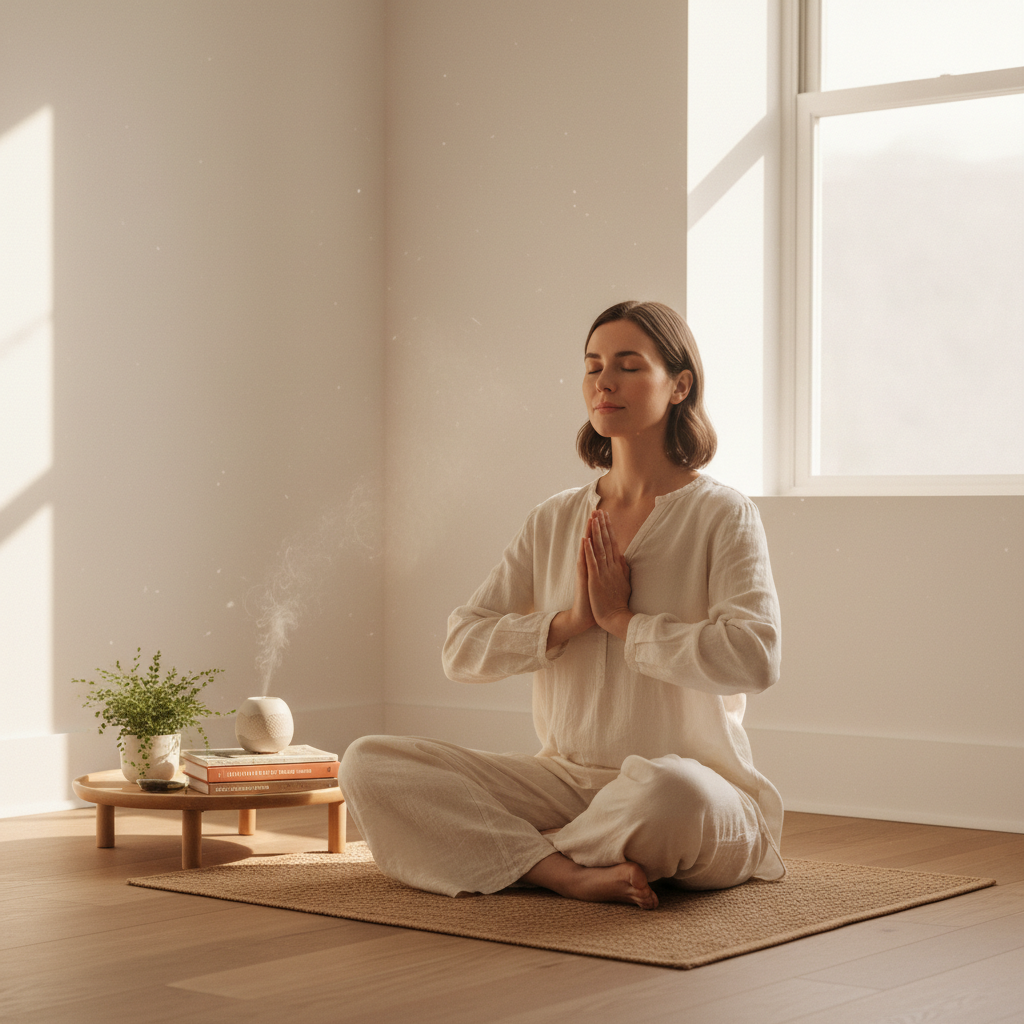
This is especially helpful after online practice. A digital sanctuary can make deep inner work accessible from your own home, yet there is no physical journey back from the space. Create one deliberately. Close your laptop, lower the lights, and allow five or ten minutes of stillness to mark the transition.
Process emotions after ceremony through the body
Emotions are not only thoughts. They can appear as a tight throat, warm cheeks, a heavy chest, buzzing limbs, fatigue or an unfamiliar sense of spaciousness. Meeting these sensations with calm attention can help the nervous system complete a stress response rather than becoming caught in the story around it.
Place a hand on your chest or abdomen and lengthen your exhale slightly, without straining. Notice the contact of your feet with the floor. Name five things you can see in the room. These small orienting practices remind the body that you are here, now, and safe enough to feel what is present.
Movement can help too. A slow walk, gentle stretching, shaking out your hands, or standing in fresh air may be more supportive than sitting still if you feel restless or overstimulated. There is no ideal response. Some people need quiet; others need motion. Follow the quality of your experience rather than an imagined rule about what integration should look like.
If tears come, you do not need to stop them. If no tears come, you do not need to search for them either. Ceremony is not a measure of emotional intensity. A subtle softening can be as significant as a dramatic release.
Give the feeling a place to land
Journalling is a gentle bridge between a ceremonial experience and ordinary life. Keep it simple enough that it does not become a performance. You might write for ten minutes without editing, beginning with: “What feels true right now is…”
If words are difficult, use fragments. A colour, a sensation, a remembered phrase, a shape, or a single sentence is enough. You could also draw, make a cup of tea slowly, or sit with music that feels settling rather than stimulating. Integration is not limited to writing. It is the practice of making room for your experience without abandoning yourself inside it.
When an image or insight feels especially charged, hold it lightly. Rather than deciding it is a prophecy, a command or a final truth, consider it an invitation to stay curious. Ask what it may be showing you about a need, boundary, relationship or part of yourself that has been waiting for attention.
Choose one grounded action
A ceremony can bring a sense of possibility. That openness is precious, but it can also lead to sweeping decisions made in a heightened emotional state. You may feel ready to resign, end a relationship, confront someone, or redesign your entire life. Sometimes change is needed. Usually, though, it benefits from time.
Let the feeling settle for a few days before making major choices. In the meantime, choose one modest action that honours what arose. If you recognised exhaustion, protect an evening of rest. If you felt disconnected from your creativity, spend twenty minutes making something without an outcome. If grief appeared, tell a trusted person that you are having a tender week.
Small acts create a trustworthy relationship with your inner world. They say: I heard you, and I am responding in a way that keeps me safe.
When emotions feel bigger than expected
Not every post-ceremony feeling is gentle. Occasionally, an experience can leave you anxious, disorientated, low, flooded with memories or unable to sleep. This does not mean you have failed at the practice, nor does it mean you must manage it alone.
First, reduce stimulation and return to basic care: food, water, rest, familiar routines and contact with someone steady. Avoid taking more cacao, alcohol or other substances in an attempt to change the feeling quickly. Be cautious with further intense breathwork, sound or spiritual practice until you feel more settled.
Then seek appropriate support. A trusted friend can offer companionship, but they are not required to hold everything. If difficult feelings persist, interfere with daily life, or connect to past trauma, speaking with a qualified therapist or mental health professional can provide the containment and care that ceremony itself is not designed to replace.
If you feel at risk of harming yourself or someone else, are experiencing severe confusion, panic that will not ease, or cannot keep yourself safe, seek urgent support through local emergency services or a crisis service. Spiritual language should never obscure a need for practical help. Emotional safety is part of sacred practice.
Let integration take the time it takes
The days after ceremony may be surprisingly ordinary. You may wash up, travel to work, answer messages and wonder whether anything truly shifted. Often, integration happens quietly: a little more honesty in a conversation, a clearer no, a deeper breath before reacting, or a renewed awareness of what drains and nourishes you.
At Luminous Resonance, we hold ritual as a beginning rather than a finish line. The spaciousness created in ceremony can become useful when it is met with steady attention in the days that follow. You do not need to preserve a peak state. You only need to remain in compassionate relationship with what you have discovered.
Let the experience be unfinished for a while. Make room for rest, curiosity and the small choices that bring you back to yourself. What is meant to stay will often become clearer when you stop asking it to speak all at once.