Some days, the thought of actively working through what you feel is too much. On others, stillness can feel like another place to hide. The choice between a sound bath vs breathwork often comes down to this quiet distinction: do you need to be held, or do you need to move something through?
Both practices can create meaningful space for nervous system regulation, emotional awareness and spiritual reflection. Yet they arrive there by different paths. A sound bath invites you to receive. Breathwork asks you to participate, often with greater intensity. Neither is inherently deeper or more healing. The most supportive choice is the one that meets your capacity on the day.
Sound bath vs breathwork: the essential difference
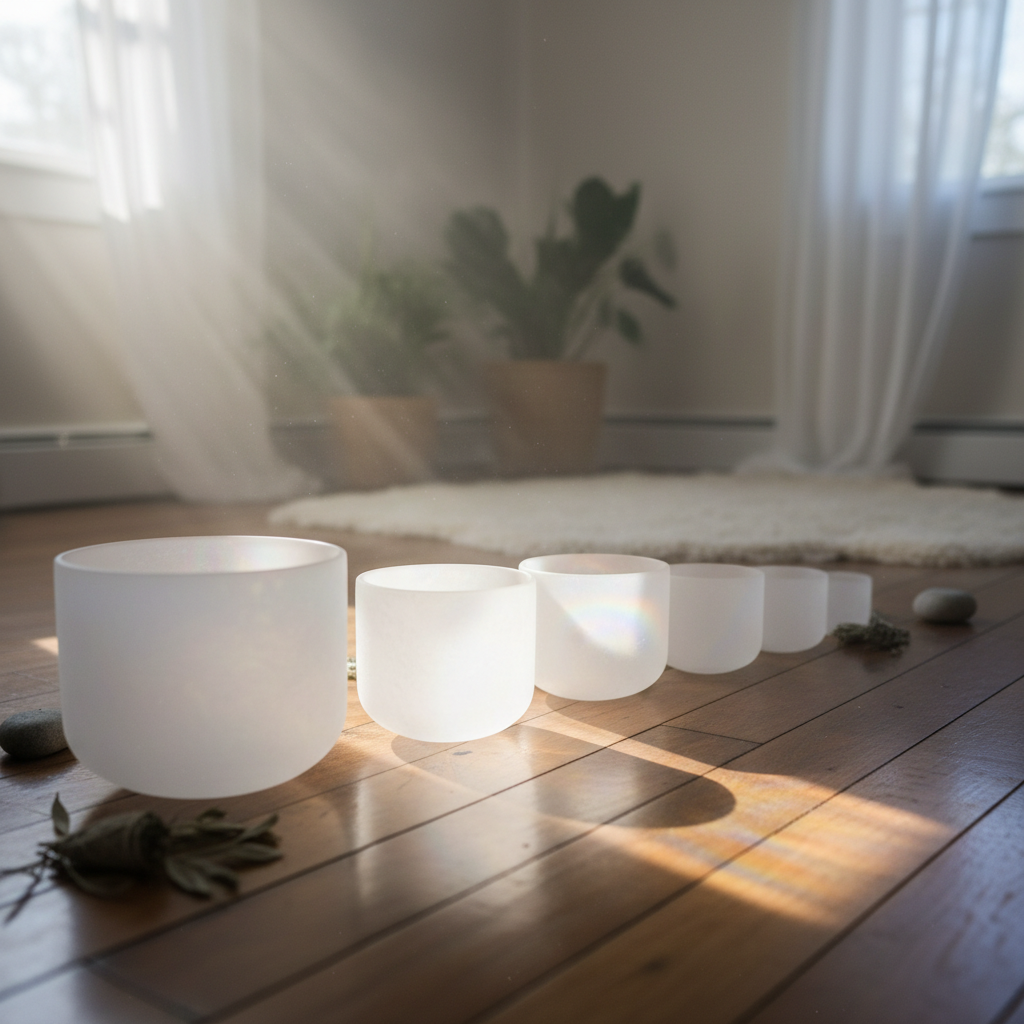
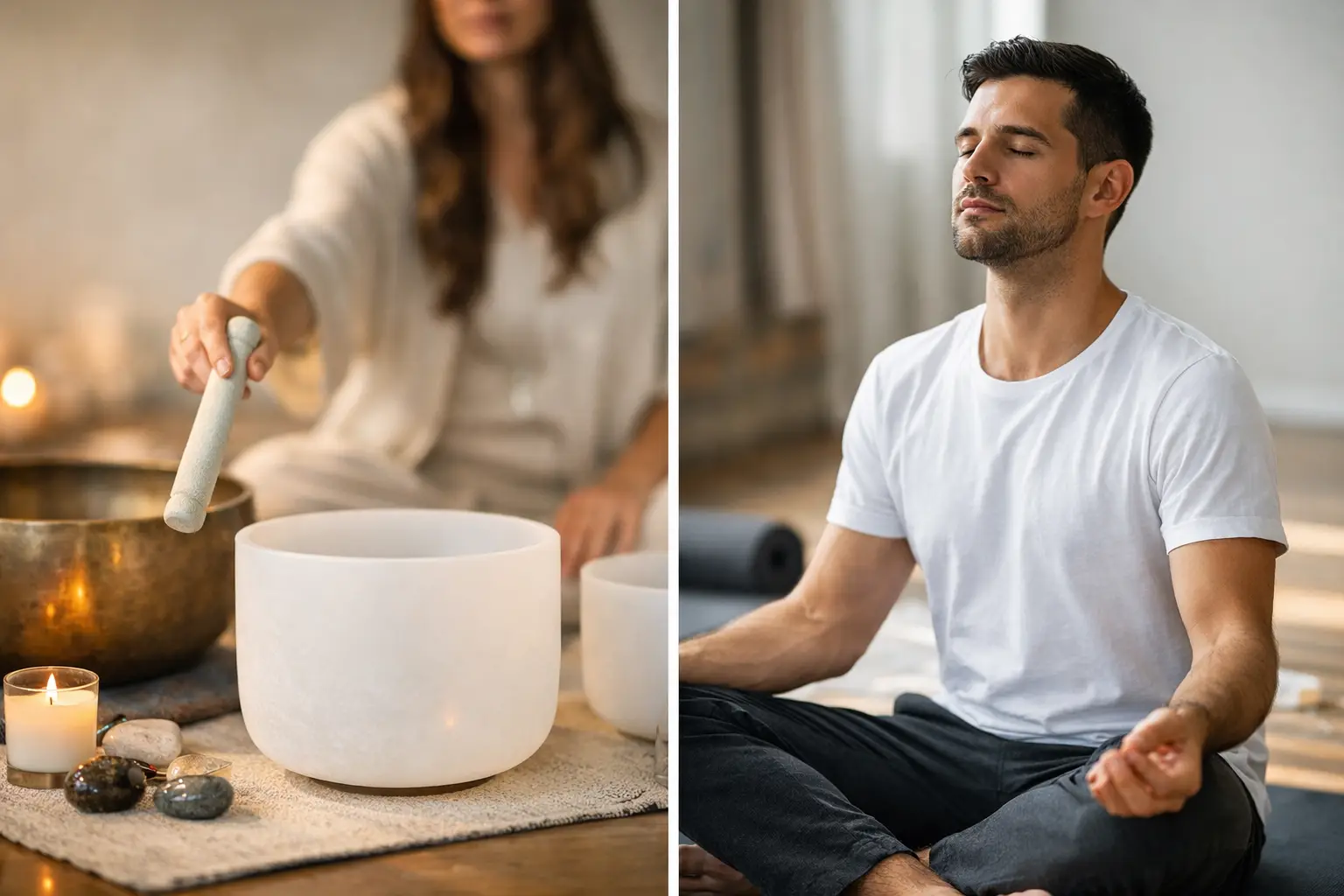
A therapeutic sound bath uses sustained tones, resonance and vibration from instruments such as crystal bowls, gongs, chimes or drums to create an immersive listening experience. You may lie down, settle beneath a blanket and allow the sound to wash around you. There is little to achieve. Your role is simply to notice, rest and receive whatever arises.
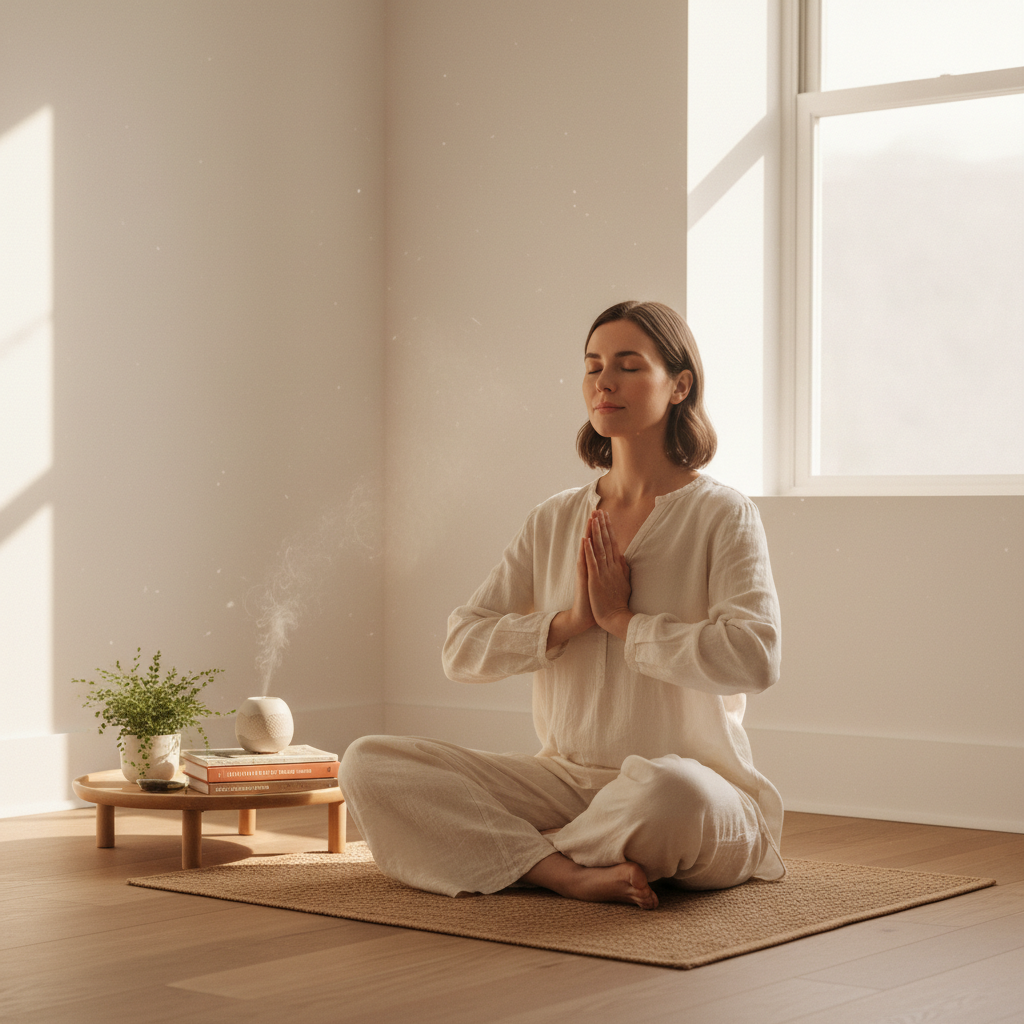
Breathwork is a broad term for intentional breathing practices. Some forms are slow and regulating, using longer exhales to soften stress. Others use rhythmic, connected breathing to heighten sensation and bring emotions, memories or physical tension closer to the surface. A facilitated session may feel meditative, energising, cathartic or unexpectedly tender.
The difference is not that one is passive and the other is productive. Rest is not passive in the sense of being insignificant. It is an active condition of repair. But sound bathing generally works through sensory immersion and permission, while breathwork works through your direct relationship with the breath.
When a sound bath may be the gentler choice
For a mind that has been making decisions all day, receiving sound can be profoundly restorative. The layered frequencies offer a point of focus without requiring concentration in the way a formal meditation sometimes can. Thoughts may continue, but they no longer have the room to dominate the whole inner landscape.
Sound baths can be especially supportive when you feel depleted, overstimulated or emotionally full without knowing why. They create a ritual container in which nothing needs to be explained. You might experience a sense of spaciousness, gentle imagery, a softened body or simply an hour in which you do not have to hold everything together.
This matters for people who spend much of their lives caring for others, performing at work or carrying a busy household. When your system has been asked to stay alert for too long, a practice that does not demand further effort can feel like a return to yourself.
A sound bath may also suit you if you are curious about spiritual practice but want a grounded entry point. You do not need to believe that particular instruments can fix or remove anything. The value can sit in the experience itself: intentional rest, resonant sound, attention turned inward and the calming recognition that you are allowed to pause.
That said, a sound bath is not always immediately soothing. Sound can bring emotion to the surface, particularly when you finally become still enough to feel what has been waiting underneath. Some people are also sensitive to volume, certain frequencies or enclosed group settings. A well-held session makes room for choice, including changing position, using earplugs or stepping away when needed.
What sound baths tend to support
Sound bathing is often chosen for downshifting after stress, reconnecting with the body, preparing for restful sleep and making space for reflection. Its pace lends itself beautifully to journalling afterwards, when small but significant insights can be given language before daily life rushes back in.
It is less suited to moments when you are seeking a very active release or a clear sense of mobilisation. In those moments, breathwork may offer a more direct route.
When breathwork may meet the moment
Breath is always with us, yet intentional breathing can change the way we meet an experience. A slow, spacious practice can signal safety to the body and help interrupt the shallow breathing patterns that often accompany stress. More activating styles can build energy, intensify feeling and create a sense of emotional movement.
For someone who feels stuck in rumination, numbness or a familiar emotional loop, breathwork can be clarifying. The repeated rhythm gives the mind less room to narrate. Instead, attention turns towards sensation: warmth in the chest, tingling in the hands, tears, release, resistance or relief. These responses are not a measure of success. They are simply information.
There can be a spiritual dimension too. Conscious breath may deepen a sense of connection to the body, to inner wisdom or to something larger than the ordinary pace of the day. Yet the most meaningful sessions remain grounded. A powerful experience needs time to settle. Integration is part of the practice, not an optional extra.
Breathwork does ask more of the nervous system than a restful sound bath, particularly in its more intense forms. It can feel expansive for one person and overwhelming for another. If you are new to the practice, beginning with gentle, guided breath awareness is often wiser than seeking catharsis.
A note on safety and pacing
Some intensive breathwork practices may not be appropriate for everyone, including people who are pregnant or have certain cardiovascular conditions, epilepsy, glaucoma, a history of psychosis, or severe and unprocessed trauma. If any of these apply, seek advice from an appropriate healthcare professional and choose a qualified facilitator who can discuss modifications.
Even without a medical consideration, your consent matters. You can slow down, return to natural breathing, open your eyes or stop at any point. Emotional safety is not created by pushing past every boundary. Often, it is created by learning to recognise a boundary and respond with care.
Choosing by your current capacity, not your ideal self
It is easy to choose a practice based on who you hope to be: someone who can sit peacefully with silence, or someone ready for a major emotional release. A kinder question is, what does my system have capacity for now?
Choose a sound bath when you are tired, tender, overstimulated or longing to be supported without needing to direct the experience. It can be a fitting practice after a demanding week, during a period of change or when your inner world feels noisy and you need a softer place to land.
Choose gentle breathwork when you want a portable tool for daily regulation. A few minutes of unforced breathing, with a slightly longer exhale, can help create a pause before a difficult conversation, after a stressful commute or before sleep. Choose more active breathwork only when you feel resourced, are in an appropriate setting and have support available for what may arise.
You may be drawn to breathwork when your body feels braced, your thoughts are circling or you sense that emotion needs movement rather than quiet. You may be drawn to sound when effort itself has become exhausting. Neither response is a failure of the other practice. They are different forms of listening.
Can you combine sound and breathwork?
Yes, thoughtfully. Beginning with a few minutes of gentle breath awareness can help you arrive before a sound bath. You might notice the floor beneath you, relax the jaw and let the exhale lengthen naturally, without forcing a pattern. Then allow the sound to become the main guide.
The reverse can be supportive too. After an active breathwork session, soft sound and stillness may help the body settle. The transition from activation to rest gives emotions time to land rather than leaving you to move straight from an intense experience into emails, errands or family responsibilities.
Cacao, when it is right for you and approached with care, can also deepen the sense of ritual around either practice. It is not required for transformation. Its role is simply to invite presence: a warm cup held in both hands, an intention offered quietly, a moment of devotion to your own wellbeing.
At Luminous Resonance, this is the spirit behind a considered practice space. Ritual and psychological grounding belong together. The aim is not to chase altered states, but to create conditions in which you can meet yourself with more honesty, softness and steadiness.
Let the practice be a conversation
There is no permanent answer to sound bath vs breathwork. Your needs will change with your energy, your season of life and the texture of what you are carrying. The practice that supports you after a draining week may be different from the one that helps you process grief, welcome a new beginning or return to your body after too much time in your head.
Before choosing, place a hand on your chest or abdomen and ask one simple question: do I need to be soothed, or do I need to be moved? Then listen without trying to make the answer impressive. Your body is often quieter than the mind, but it is rarely without wisdom.