A sound bath should not feel like something you have to push through. Yet sound baths headaches are a concern some people notice during a session or in the hours afterwards, especially when they arrive already depleted, tense, dehydrated, or sensitive to sound. A compassionate practice makes room for that information. Your body is not failing the ritual. It is communicating a need for a different level of care.
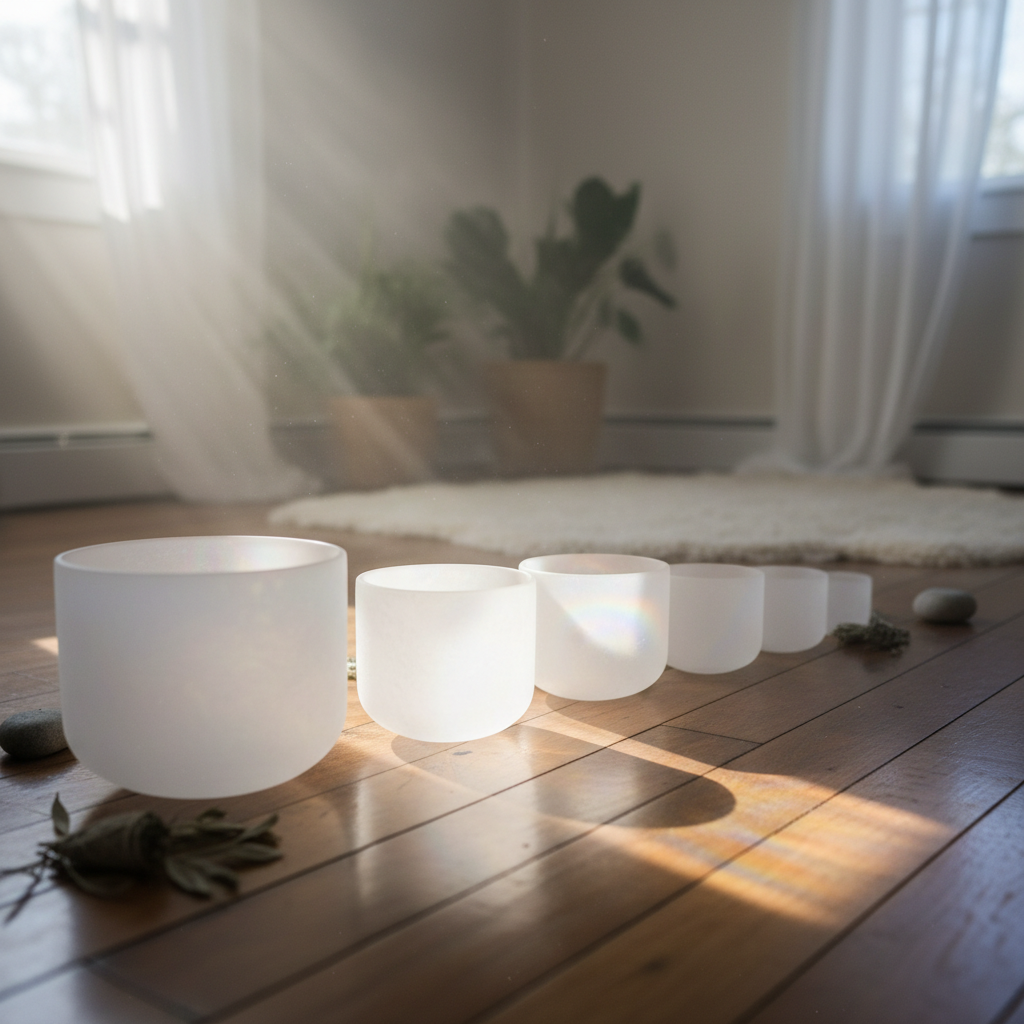
For many people, sustained sound is deeply settling. Singing bowls, gongs, chimes and ambient tones can create a spacious point of focus, helping the mind step away from its usual stream of demands. For others, the same elements can be too intense on a particular day. The wise response is neither to dismiss the experience as part of healing nor to assume sound baths are inherently harmful. It is to listen closely, soften the conditions, and seek clinical advice where needed.
Why sound baths can sometimes bring on headaches
There is no single explanation for a headache after a sound bath. Research on sound baths specifically is still limited, and experiences vary widely. Often, the cause is less mysterious than it first appears: a combination of physical comfort, sensory load, existing stress, and the environment.
Sound sensitivity and volume
A sound bath contains long, layered tones. While these can feel soothing at a comfortable volume, gongs and bowls can also produce bright, powerful frequencies. If you are sensitive to sound, have tinnitus, live with migraine, or are simply overstimulated after a busy week, prolonged exposure may leave your nervous system feeling taxed rather than rested.
This does not mean you need to avoid every sound-based practice. It may mean choosing a gentler recording, sitting farther from an instrument at an in-person session, reducing the volume, or giving yourself permission to leave early. A therapeutic experience should allow for choice, not endurance.
Tension in the jaw, neck or shoulders
Many headaches begin with tension, particularly around the jaw, scalp, neck and upper back. During a session, it is easy to become so still that you do not notice your shoulders lifting or your jaw clenching. An awkward pillow, a cold room, or lying flat when that does not suit your body can add to the strain.
Before beginning, take a moment to arrange your body rather than simply placing it down. Support the knees if you are on your back, place a cushion beneath the head if needed, and allow the chin to rest softly. If lying down is uncomfortable, a supported seated position is equally valid. There is no spiritual benefit in ignoring discomfort.
Dehydration, hunger and everyday triggers
A sound bath may be the moment you notice a headache that was already gathering. A long day of screen work, missed meals, too much caffeine, poor sleep, alcohol, hormonal changes or not enough water can all contribute. Deep relaxation can make subtle discomfort more apparent because the usual distractions have fallen away.
It can help to arrive nourished and hydrated, without being uncomfortably full. If your practice includes ceremonial cacao, consider your own sensitivity to caffeine and theobromine. Cacao can feel heart-opening and grounding for many people, but it can also contribute to headaches, palpitations or nausea in those who are sensitive, use a larger serving than suits them, or combine it with other stimulants. A smaller portion, or a sound session without cacao, may be the kinder choice.
Migraine and neurological sensitivity
For people prone to migraine, sound can be a trigger, particularly when it is loud, repetitive, high-pitched or paired with bright light, strong scent, fatigue or stress. A headache that develops during a sound bath may be part of a migraine pattern rather than a response to the practice alone.
If you know you live with migraine, plan around your personal triggers. Keep the volume low, choose shorter sessions, avoid practising when an attack feels imminent, and have your usual clinical plan available. The goal is not to prove that you can tolerate more. It is to create conditions in which your system can feel safe enough to receive rest.
What to do if a headache begins during a sound bath
Start by giving yourself permission to pause. Turn down the recording, remove headphones, move farther from the source of sound, or step into a quiet room. If you are attending live, you do not need to explain or apologise. A well-held space respects your autonomy.
Then attend to simple physical needs. Sip water, eat something gentle if you have not eaten, and release any tightness in the jaw and shoulders. Try placing one hand at the base of the skull and the other over the heart, taking a few unforced breaths. There is no need to breathe dramatically or search for a breakthrough. A slower exhale and a quieter environment may be enough.
If the pain is mild and settles quickly, consider making a short note afterwards. Record the time of day, sound level, session length, whether you used headphones, sleep, food, hydration and any other familiar triggers. Over several sessions, this can reveal a useful pattern. Perhaps bowls feel nourishing while gongs feel sharp, or perhaps evening practices are better after supper than on an empty stomach.
Avoid interpreting a headache as evidence that you have released something you were meant to release. Emotional experiences can arise in contemplative practice, and they deserve gentleness. But pain is not a required sign of transformation. Your body benefits most from consent, pacing and practical support.
Preparing for a gentler sound bath experience
A few small adjustments can change the entire quality of a session. Choose speakers rather than close-fitting headphones if headphones make you feel enclosed or if you are unsure how sensitive you are to sound. Begin at a low volume. You should be able to relax with the sound, not brace against it.
Give yourself a modest container of time. Ten to twenty minutes may be more supportive than an hour when you are new to sound work, recovering from stress, or returning after a headache. The practice can be expanded gradually, with curiosity rather than pressure.
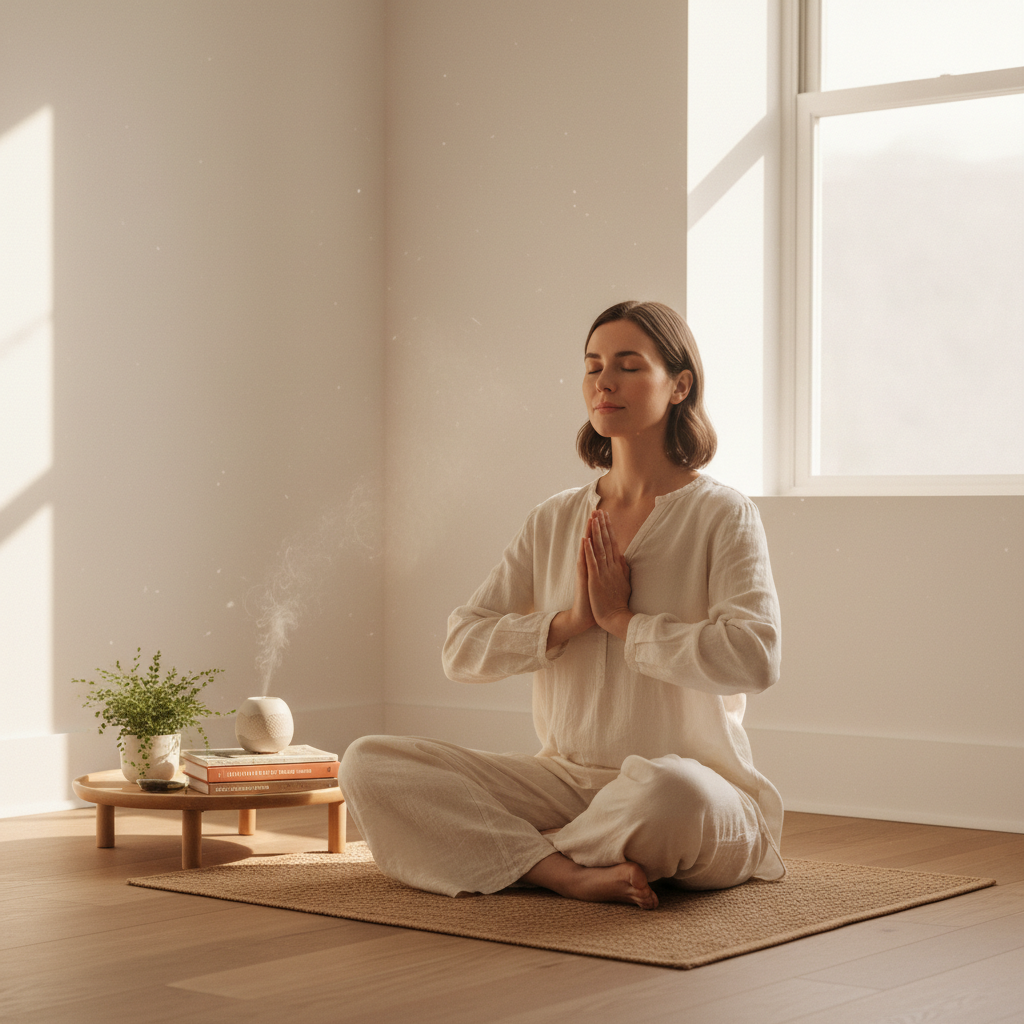
Your setting matters too. Dim the lights, silence notifications, keep water nearby and use blankets or cushions to regulate temperature and posture. If you are practising from home, let the end of the session remain spacious. Rushing straight into emails, childcare logistics or a loud commute can undo the settling effect and make it harder to tell how you truly feel.
At Luminous Resonance, the intention is never to override the body in pursuit of a particular state. Sound can be a beautiful ritual for reflection, emotional settling and spiritual expansion, but it works best when psychological grounding comes first. Rest is not measured by how intense an experience becomes. It is measured by whether you leave with more contact with yourself.
When to seek medical advice for sound baths headaches
A headache that is new, severe, recurring or different from your usual pattern deserves attention from a GP or another qualified healthcare professional. Sound practices are complementary wellbeing experiences, not a substitute for medical assessment.
Seek urgent medical help for a sudden and extremely severe headache, often described as a thunderclap headache, or a headache following a head injury. Urgent assessment is also needed if pain comes with weakness, numbness, confusion, fainting, difficulty speaking, loss of vision, seizure, a stiff neck with fever, or persistent vomiting. These symptoms should not be managed through rest, hydration or another sound bath.
It is also worth speaking with a clinician before participating if you have a diagnosed hearing condition, uncontrolled migraine, a neurological condition, or concerns about medication interactions with cacao or stimulants. Bringing your healthcare needs into your spiritual practice is not a contradiction. It is part of caring for the whole self.
A sound bath can be an invitation to soften, not a test of how much sensation you can hold. Let the volume be gentle, let your posture be supported, and let your inner listening include the clear wisdom of a body that asks for quiet.